Blooming Flowers Font: A Playful Typeface for Creative Makers
It was one of those cozy afternoons when I decided to revamp my seasonal candle labels. The colors were warm, the scent of lavender lingered in the air, and I was halfway through a mockup when I realized—my text just wasn’t matching the cheerful vibe I wanted. That’s when I stumbled upon Blooming Flowers, a display font that brought exactly the right amount of cuteness and whimsy to the design.
Blooming Flowers for Handmade Candle Labels and More
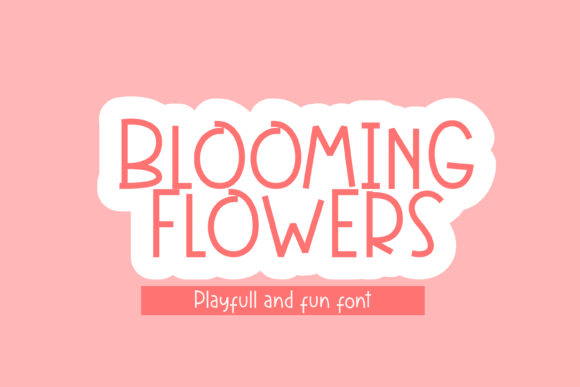
Blooming Flowers is a display font that feels like a breath of springtime on every letter. Its playful curves and soft, flowing forms make it perfect for adding charm to handmade items. When used for candle labels, this font immediately elevates the aesthetic from basic to boutique-ready. The simple yet elegant strokes give your product a sense of warmth and joy without being over the top.
I paired it with a muted watercolor background and a hand-drawn floral border, and suddenly, the label felt like part of the experience. Customers don’t just see a candle; they feel the intention behind it. Using Blooming Flowers on packaging or product tags can create a cohesive look that draws attention and invites curiosity.
Blooming Flowers for Birthday Invitations and Party Supplies
When preparing birthday invitations, I always aim for something that stands out but still feels approachable. Blooming Flowers has become my go-to choice for these kinds of projects. It adds a youthful spark that's both fun and sophisticated, especially when printed in pastel ink or embossed with foil.
The font works beautifully for short phrases and names, which are common in party supplies. Whether you're creating thank-you cards, game tickets, or signage for a themed event, Blooming Flowers brings a sense of celebration to each piece. I’ve also used it for digital download previews, where the visual appeal of the font helps customers imagine how the final product will look in their hands.
Readability Tips for Cutting Machines and Small Print
Because Blooming Flowers is a decorative display font, it's important to consider readability when using it on small stickers or labels. I found that simplifying the spacing between letters and avoiding overly complex alternates helps maintain clarity. For Cricut or Silhouette users, I recommend testing the font at scale before cutting to ensure clean lines and no overlap in intricate details.
Blooming Flowers in Greeting Cards and Seasonal Designs
There’s nothing more satisfying than designing a greeting card that makes someone smile the moment they open it. Blooming Flowers does precisely that. Its personality shines through in handwritten-style greetings, making each card feel personal and crafted with care.
I recently used it for a set of holiday cards and paired it with a minimalist sans serif for the address block. This font pairing kept the design balanced while allowing the main message to pop. The same strategy works well for seasonal printables, such as Easter tags or Mother’s Day art prints. Just be sure to check if the font includes any special ligatures or alternates that could enhance the visual storytelling of your design.
Commercial Use and Licensing Clarity
Before diving into production, I always double-check the commercial font licensing. With Blooming Flowers, I confirmed it supports both physical and digital use, including printables and SVG-style designs. If you're planning to sell products with this font—whether mugs, shirts, or wall art—make sure the license allows for that kind of use to avoid any hiccups down the line.
Blooming Flowers for Boutique Branding and Product Tags
My shop has a soft, cottagecore-inspired theme, and finding the right typeface to match that vision was key. Blooming Flowers became a staple in my branding toolkit. From boutique packaging to hang tags, this display font gives everything a consistent, recognizable feel.
On product tags, I pair it with a light-weight sans serif for pricing information. This keeps the design cute and readable all at once. For logo design or brand headers, I often use it alone, letting the curves and flourishes speak for themselves. It’s not just a font—it’s an emotional cue that tells your audience what your brand stands for: creativity, joy, and a touch of playfulness.
Font File Formats and Multilingual Support
When sourcing fonts for shop materials, file formats matter. I’m glad Blooming Flowers comes in standard OTF and TTF formats, which work seamlessly across most design platforms. If you’re working with international customers, checking for multilingual support is crucial. Fortunately, many display fonts like Blooming Flowers offer extended language options, ensuring your shop looks great no matter where it’s viewed.
Blooming Flowers in Wedding Invitations and Welcome Boards
Wedding invitations require a delicate balance between elegance and warmth. While I wouldn’t use Blooming Flowers for the entire invitation suite, it makes a fantastic accent for save-the-date cards or welcome boards. The font adds a personal, romantic touch that complements floral arrangements and vintage-inspired layouts.
I’ve designed a few wedding sets using it for the header titles, then switched to a clean script font for the body. This method maintains a premium font aesthetic while keeping the content easy to read. For digital downloads, I include sample mockups showing how the font integrates into different parts of the stationery, giving buyers a clear idea of its potential.
Design Assets and Modern Typography Appeal
Incorporating Blooming Flowers into your design assets can help build a stronger brand identity. Whether you're creating editorial design for a blog post or web design for your online store, this typeface adds a modern typography flair that resonates with creative audiences. I’ve noticed that using it in social media graphics, particularly for Etsy shops, increases engagement because it visually communicates the handmade, joyful essence of the products.
Blooming Flowers for Planner Pages and Wall Art
Planner pages need to be functional and pretty, and Blooming Flowers nails both. I use it for title blocks and decorative headings, which instantly lift the mood of the layout. It’s also a hit in printable wall art, where its organic flow mimics hand-painted lettering. This makes the art feel custom and curated, even if it’s digitally created.
For best results, I suggest using it sparingly. Too much can overwhelm the page, so stick to key elements like quotes, month names, or motivational phrases. And when printing, test the font on various paper types and sizes to ensure it holds up in both color and black-and-white formats.
Creating Emotional Appeal Through Display Fonts
As a maker, your goal is to connect with your audience on an emotional level. Blooming Flowers helps bridge that gap by evoking feelings of nostalgia and delight. I’ve seen it transform plain white tote bags into must-have pieces and turn basic mug designs into charming keepsakes. It’s not just about looking good—it’s about feeling something when someone sees your work.
Blooming Flowers for Digital Templates and Shop Materials
Digital templates are all about first impressions. When previewing a printable wall art template or a set of birthday cards, the right font can make all the difference. Blooming Flowers adds that extra layer of charm that encourages buyers to click “add to cart.”
I also use it in layered PNGs and transparent backgrounds for mockups. This way, potential customers can visualize the font in real-world scenarios, whether it's on a wooden sign or a fabric bag. Including alternate characters and swashes in your preview images shows off the font's versatility and helps buyers understand how they can customize their own designs.
Font Pairing Ideas for Balanced Design
While Blooming Flowers is a standout display font, it plays well with others. Here are a few font pairing ideas I've tested:
- Clean sans serif (like Lato or Montserrat) for pricing or descriptions
- Simple serif (like Merriweather or Playfair Display) for headers or titles
- Script or handwritten font for signatures or accents
- Bold display font for large banners or signs
These combinations allow you to keep the whimsical nature of Blooming Flowers while maintaining legibility and structure in your designs.
Blooming Flowers for Farmhouse Signs and Decorative Wording
Farmhouse signs have become a big hit in my shop, and Blooming Flowers is now a favorite for crafting them. The font’s gentle curves fit perfectly with rustic textures and natural wood finishes. It doesn’t clash with the simplicity of the style but instead enhances it with a subtle flourish.
I also love using it for decorative wording in wreath tags, banner stencils, and chalkboard prints. The key is to let the font shine without competing with other design elements. Keeping the background neutral and the text slightly outlined or filled in solid helps it stand out while staying true to the farmhouse vibe.
Choosing the Right Weight for Your Project
Many display fonts come in multiple weights, and it’s worth checking what styles Blooming Flowers offers. Lighter versions work well for soft-toned backgrounds, while bolder weights add impact to dark substrates. I personally enjoy the regular weight for most uses—it strikes a perfect balance between visibility and delicacy.
Blooming Flowers for Product Packaging and Shop Consistency
Packaging design is one of the most overlooked aspects of a handmade business, but it's also one of the most impactful. I’ve started using Blooming Flowers consistently across my product boxes, gift wrap tags, and shipping labels. It’s amazing how quickly customers begin to recognize the font and associate it with my brand.
Consistency is key in building a strong brand identity. By using the same typeface across multiple touchpoints—from product tags to social media posts—you create a unified visual language that reinforces trust and familiarity. And with a font like Blooming Flowers, that language speaks joy and creativity.
Testing Before Printing: A Maker’s Must
Before sending anything to the printer or cutting machine, I always do a quick test run. Especially with decorative display fonts like Blooming Flowers, seeing how it looks at actual size and on the chosen material is essential. I’ve learned that some details may get lost in smaller prints, so adjusting the stroke width or removing unnecessary embellishments can make a huge difference.
This font isn’t just for digital downloads either. When applied to physical merchandise like shirts or mugs, it adds a unique character that sets your products apart from mass-produced alternatives. Just remember to always check the file format compatibility with your software and hardware setup to avoid scaling issues or missing glyphs.
Blooming Flowers for Seasonal Crafting and Festive Projects
As the seasons change, so do the needs of your handmade shop. Blooming Flowers adapts effortlessly to seasonal themes—think Valentine’s Day cards, Easter egg tags, or Halloween lanterns. Its soft and friendly appearance makes it ideal for holiday designs that want to feel welcoming rather than spooky or serious.
I recently used it in a set of Christmas ornament labels, and the feedback from customers was overwhelmingly positive. They loved how the font made the ornaments feel handcrafted and heartfelt. That’s the power of choosing the right typeface: it can shape how your product is perceived and remembered.
Why This Display Font Fits the Maker Life
Making things by hand takes time, love, and a little bit of magic. Blooming Flowers is one of those magical tools that bring your vision to life. It’s not just a font—it’s a design partner that understands the mood you’re trying to convey. Whether you're working on a new collection of greeting cards or prepping for a craft fair, this typeface fits right in with your creative process.
Its simplicity means it won’t distract from your beautiful work, but its playfulness ensures your designs never feel flat. It’s a perfect blend of form and function, and that’s exactly what makers need to elevate their shop and stay inspired through every project.